An eCommerce CMS helps businesses manage products, payments, customers, and content from one platform. In Malaysia, choosing the right eCommerce CMS in 2025 depends on factors such as local payment support, scalability, ease of use, and SEO performance. Popular platforms like WooCommerce, Shopify, and Magento offer different strengths for small businesses, growing brands, and enterprise stores. The best CMS is one that aligns with your business size, technical resources, and long-term growth strategy.
Table of Contents
Choosing the right Content Management System (CMS) for your eCommerce business is a big deal. In Malaysia’s fast-growing online market, the right CMS makes it easier to manage products, run your store smoothly, and give customers a better shopping experience. Let’s take a look at the CMS platforms Malaysian businesses are most confident using in 2025.
Why CMS Matters for E-Commerce in Malaysia
Malaysia’s eCommerce scene is growing fast, thanks to more people using smartphones, digital payments, and feeling confident shopping online. Your CMS isn’t just what runs your website. It affects how easily you can grow your store, manage content, and turn visitors into paying customers.
No matter if you’re a small business or a large brand, choosing the right CMS can make a big difference to your site’s speed, SEO performance, and overall customer experience.
What Is an E-Commerce CMS?
An E-commerce CMS is a system that helps you build and manage an online store without needing strong technical skills. It gives you simple tools to manage products, track inventory, handle orders, and customise your website, all from one central dashboard.
In Malaysia, many businesses choose between traditional CMS platforms like WordPress with WooCommerce, or hosted platforms such as Shopify and BigCommerce. The best option usually depends on your business size, technical resources, and budget.
Read More: WordPress vs Wix (Malaysia 2025): Which Is Best for Your Website?
Key Factors to Consider When Choosing an E-Commerce CMS
- Ease of use: Can your team easily update products, prices, and promotions without technical help?
- SEO capabilities: Make sure your CMS supports metadata, clean URLs, and schema so your site can perform well on Google Malaysia.
- Localisation: Your CMS should support English, Malay, and multiple currencies to match local customer needs.
- Payment integration: Choose a platform that works smoothly with FPX, GrabPay, and other popular local payment gateways.
- Scalability: Check whether the CMS can handle more traffic, products, and features as your business grows.
- Security and compliance: Ensure the platform supports SSL and follows PDPA requirements to protect customer data.
10 Best E-commerce CMS Platforms
1. WooCommerce (WordPress)
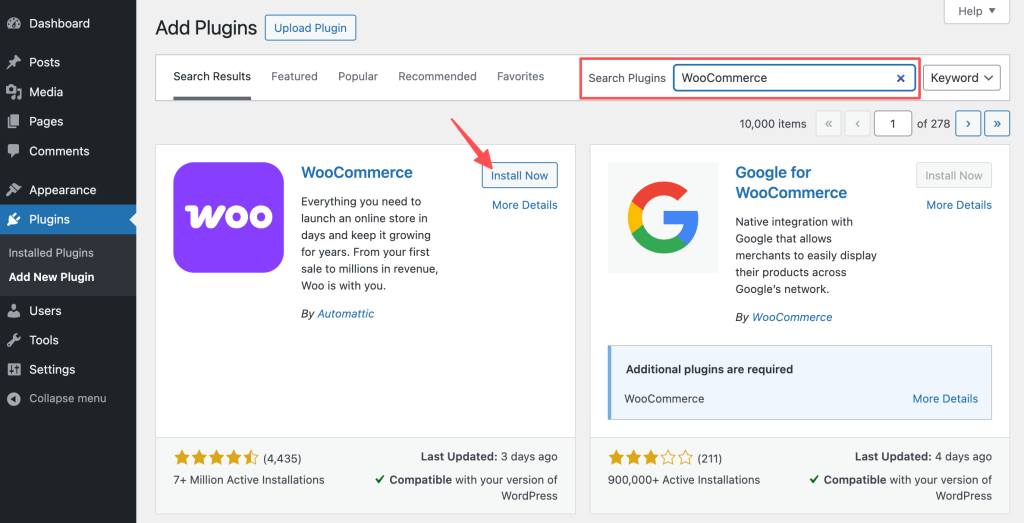
WooCommerce is still the most popular eCommerce CMS in Malaysia, powering more than 45 percent of local online stores. Built on WordPress, it gives businesses full control over design, content, and SEO.
Best for: SMEs that want flexibility, full ownership, and local hosting options.
2. Shopify
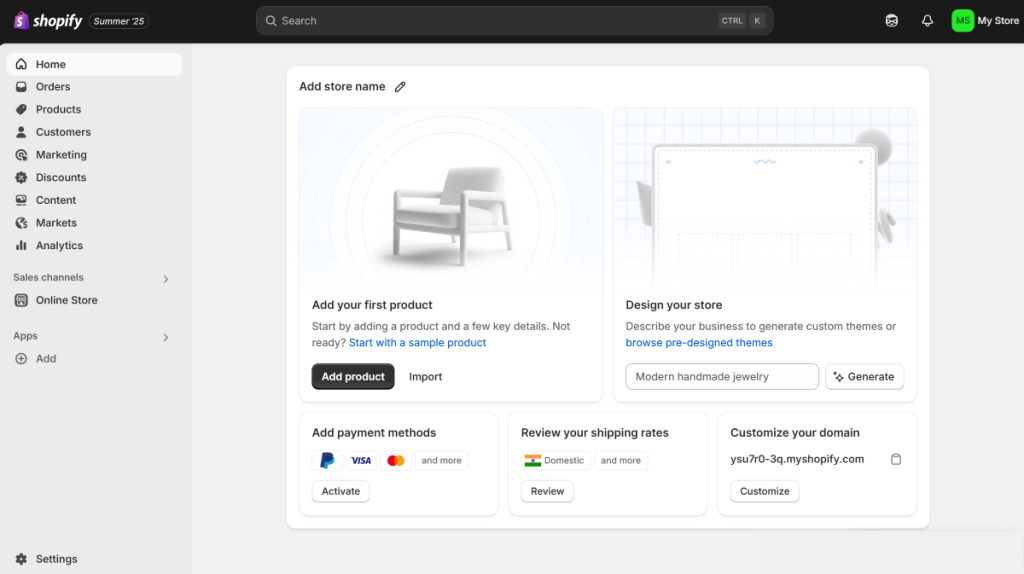
Shopify is a hosted eCommerce platform known for being easy and reliable. With built-in payment gateways and strong app integrations, it’s a popular choice for Malaysian businesses that want to launch fast.
Best for: Startups and growing brands that want something simple to manage.
3. Magento 2 (Adobe Commerce)
Magento 2 is designed for larger businesses with complex product setups. It offers deep customization, strong scalability, and integration with ERP and CRM systems.
Best for: Mid to large enterprises that need advanced control and automation.
4. BigCommerce
BigCommerce combines enterprise-level features with the simplicity of a SaaS platform. Its API-first approach supports headless commerce and works well with Malaysian payment gateways.
Best for: Businesses looking for strong SaaS performance and B2B eCommerce features.
5. Shopline
Shopline has grown quickly in Malaysia and Southeast Asia. It focuses on local needs, with built-in support for regional payments, logistics, and marketing tools.
Best for: Local retailers and SMEs moving into omnichannel selling.
6. OpenCart
OpenCart is a lightweight open-source CMS that supports multiple languages. It is cost-effective and suitable for teams that prefer hands-on technical control.
Best for: Small businesses with technical support and tight budgets.
7. Wix eCommerce
Wix offers an easy drag-and-drop builder with basic eCommerce features. It allows businesses to get online quickly without much development work.
Best for: Entrepreneurs or freelancers running small online stores.
8. Drupal Commerce
Drupal Commerce is powerful, flexible, and highly secure. It supports complex multi-language and multi-site setups, which suits large regional operations.
Best for: Large organisations or government-related projects that need strong security.
9. Squarespace
Squarespace focuses on clean design and ease of use. It works well for brands that care a lot about visuals and branding.
Best for: Creative businesses, designers, and boutique stores.
10. PrestaShop
PrestaShop is an open-source platform with strong customization options and an active community. It is popular across Europe and Asia.
Best for: SMEs that want flexibility and scalability without high costs.
How to Choose the Right CMS for Your E-Commerce Store
When choosing a CMS, always start with your business goals, budget, and how technical your team is. If you are running a smaller online store, platforms like WooCommerce or Shopify are usually more than enough. For larger businesses with complex needs, Magento or BigCommerce may be a better fit. If your focus is on the Malaysian market, Shopline is also a strong option thanks to its local payment and delivery integrations.
Related article: Shopify vs. WooCommerce (2026): Which Is Better?
Need Expert Help Building Your Website or Online Store?
At Duplex Ventures, we help businesses in Malaysia build websites and ecommerce stores that actually work. From planning and design to development and optimisation, our team handles the full process so you can focus on growing your business.
We don’t just make websites look good. We help you choose the right CMS, design user friendly layouts, and build sites that are fast, SEO ready, and easy to manage.
If you are stepping into ecommerce, our Ecommerce Development Service covers everything you need. This includes secure payment setup, inventory management, and smooth integration with Malaysia’s local logistics and payment systems.
Whether you are launching a corporate website or a full ecommerce platform, Duplex Ventures provides complete support from strategy to post launch optimisation.
Start Your Website Today!
Conclusion
In 2025, choosing the right eCommerce CMS plays a big role in how well your online business performs. For Malaysian businesses, it is important to focus on local payment support, scalability, strong SEO performance, and long term flexibility. A good CMS helps you run your store smoothly today while giving you room to grow tomorrow. More than just a system, the right CMS becomes the foundation that supports your sales, operations, and long term eCommerce success.
Frequently Asked Questions
Which CMS is best for small businesses in Malaysia?
WooCommerce and Shopify are the most popular choices for SMEs in Malaysia. They are easy to use, support local plugins and payment gateways, and have relatively affordable setup costs. Related article: Shopify vs. WooCommerce (2026): Which Is Better?
How much does it cost to build an eCommerce website in Malaysia?
The cost usually ranges from RM5,000 to RM25,000. The final price depends on the CMS you choose, design complexity, and features such as payment integration, inventory management, and custom functionality. Related article: How Much Does A Website Cost In Malaysia In 2025?
Do I need local payment integration?
Yes. Malaysian shoppers prefer local payment methods like FPX, GrabPay, and credit or debit cards. Choosing a CMS that supports these options is important for better conversion rates.
Is a headless CMS necessary?
For most small and medium businesses, a traditional CMS works perfectly well. Headless CMS setups are more suitable for larger companies that need multiple front ends, mobile apps, or complex integrations.
How long does it take to launch an eCommerce store?
A basic eCommerce website can usually be launched within 2 to 4 weeks. More customised or enterprise level projects may take around 2 to 3 months, depending on the scope and requirements.
Visit our page if you need more details.
Also Read: