Social media marketing is the process of using platforms like Instagram, Facebook, TikTok, YouTube, and LinkedIn to grow a brand, attract attention, and convert audiences into leads or sales. It includes content planning, creative production, community management, paid ads, and performance tracking. In Malaysia, strong social media marketing works best when you combine local content angles, clear offers, and fast response channels like WhatsApp. The goal is not just likes, but consistent enquiries, bookings, and revenue through a repeatable strategy.
Table of Contents
In today’s connected world, social media plays a big role in how people discover brands and interact with businesses. With around 4.95 billion people actively using social media, which is nearly 61% of the global population, these platforms have become part of everyday life. This clearly shows why social media marketing is no longer a nice to have, but something businesses need in order to stay visible and relevant.
So what does social media marketing or SMM actually mean? Simply put, it is about using social media platforms to connect with your audience, get people interested in your brand, and grow your business. It is not just about posting content regularly, but about engaging with the right people, building trust, and turning attention into real results. Let’s explore the benefits of social media marketing and the top five platforms where businesses can perform well, including Instagram, Facebook, TikTok, YouTube, and Pinterest.
What Is Social Media Marketing?
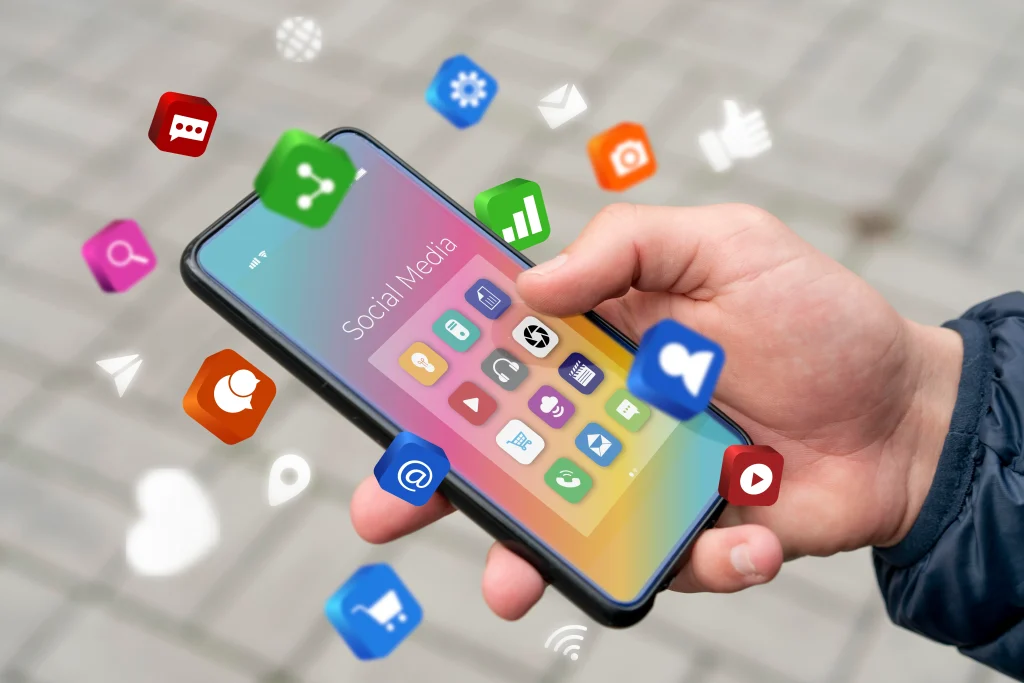
Social media marketing is about using social media platforms to connect with your audience, build brand awareness, increase sales, and drive traffic to your website. It includes activities such as posting text updates, images, videos, and other types of content that encourage people to engage with your brand. The main goal is to build a strong online presence and create a sense of community where people feel connected to your brand.
Read More: Website vs. Social Media: Which is Best for Your Business? (2026)
Benefits of Social Media Marketing (SMM)
Social media offers much more than traditional advertising and comes with advanced features that help businesses connect with their audience more effectively. From wider brand visibility to real time interaction, the benefits of social media marketing are practical and impactful for businesses of all sizes.
- Increased brand exposure: Social media gives businesses a global platform to showcase their products or services. With the right content, your brand can reach a large audience quickly and naturally, even without a huge budget.
- Direct customer interaction: Platforms like Facebook and Twitter allow businesses to communicate directly with customers. This makes it easier to reply to questions, receive feedback, and build stronger relationships in real time.
- Cost effective advertising: Compared to traditional advertising methods, social media marketing is generally more affordable. Businesses can run targeted ads based on location, interests, and behaviour, helping your message reach the right audience without overspending.
- Improved website traffic: Sharing content on social media helps drive more visitors to your website. This increases the chances of enquiries or sales and also supports better search engine performance over time.
- Enhanced brand loyalty: Consistent engagement on social media helps build a sense of community around your brand. When customers feel heard and connected, they are more likely to trust your brand and stay loyal in the long run.
Top 5 Social Media Platforms for Businesses
1. Instagram
Instagram is all about visuals. It is a great platform for businesses to connect with customers through photos and videos. Brands can use it to show their products, share their story, and create a visual style that people can easily recognise and remember.
| Best used for | Key features |
| Brand storytelling, product showcasing, influencer collaborations | Instagram Stories, IGTV, Instagram for Business |
2. Facebook
Facebook is more than just a social platform. It is a space where businesses can build communities and stay connected with their audience. From sharing updates and announcements to running targeted ads, Facebook helps brands grow relationships and keep their message visible.
| Best used for | Key features |
| Building communities, sharing news and updates, running targeted ads | Facebook Groups, Ads Manager |
3. TikTok
TikTok is the go to platform if you want to reach a younger audience. It is known for short, fun, and highly engaging videos that can go viral very quickly. From trends and music to creator collaborations, TikTok gives brands a chance to grab attention fast and stay relevant with Gen Z and Millennials.
| Best used for | Key features |
| Short form videos, challenges, influencer partnerships | Facebook Groups, Ads Manager |
4. YouTube
YouTube is a great platform for longer videos and deeper storytelling. Businesses can use it to share tutorials, explain products, and tell their brand story in a more detailed and engaging way.
| Best used for | Key features |
| Long form content, tutorials, brand storytelling | YouTube analytics, monetisation |
5. Pinterest
Pinterest is all about ideas and inspiration. It is a platform where people discover products, plan projects, and save content they like. For businesses, Pinterest works well for sharing informative content, product visuals, and lifestyle ideas that users can come back to anytime.
| Best used for | Key features |
| Showcasing products, DIY projects, lifestyle content | Pins and Boards |
These platforms are more than just marketing tools. They are active spaces where businesses can grow and connect with real people. Social media marketing is not just about strategy, but about joining conversations, building meaningful relationships, and helping your brand grow stronger in today’s digital world.
How to Do Social Media Marketing
Having a structured social media marketing strategy helps your business stay consistent and achieve better results. Below are the key steps to get started.
- Setting clear goals and objectives: Start by deciding what you want to achieve. This could be building brand awareness, generating leads, driving traffic to your website, or retaining existing customers. Clear goals help guide your content planning and make it easier to measure performance.
- Identifying your target audience: Get to know your audience better by understanding their age group, interests, and online behaviour. This allows you to create content that feels relevant and encourages engagement.
- Conducting competitor analysis: Look at what your competitors are doing on social media. Study their content style, posting frequency, and engagement levels. This helps you spot gaps and find opportunities to stand out.
- Choosing the right platforms: Not every social media platform will suit your business. Focus on platforms where your target audience is most active and where your content performs best.
- Creating a content calendar: A content calendar helps you stay organised and post consistently. It also makes it easier to plan around campaigns, festive seasons, promotions, and product launches.
Why Use Social Media for Business
Using social media marketing helps businesses grow and reach the right audience more effectively. Once you choose the social media platforms that suit your business, you can start engaging customers and build a clear social media marketing strategy. Social media platforms allow businesses to:
- Engage directly with potential customers
- Show products in different ways that reflect your brand story
- Run targeted ads to reach specific audiences
- Build brand awareness in a more cost effective way
If your organic social media efforts are not getting the results you want, paid advertising is a good option. Platforms like Facebook, Instagram, and YouTube offer various paid ad formats that help businesses reach a wider audience faster and boost overall marketing performance.
Start Growing on Social Media Today
The Importance of Social Media in Business Strategy
Social media is no longer just a marketing channel. It plays an important role in brand management, customer engagement, and community building. When used properly, social media can support long term growth and help build stronger customer loyalty.
By running well planned campaigns, tracking performance, and improving your approach over time, businesses can reach new audiences, increase sales, and grow steadily in today’s digital first environment.
Frequently Asked Questions (FAQ)
Is social media marketing the same as social media management?
Not exactly. Management is the posting and handling. Social media marketing includes strategy, growth, conversion, ads, and analytics.
How long to see results in Malaysia?
Organic usually 1–3 months to build momentum. With ads, you can see leads faster, sometimes within 1–2 weeks.
Do I need paid ads for social media marketing?
Not always, but paid ads help you scale faster once you have content that already performs well.
How often should I post?
Consistency matters more than volume. Most SMEs can start with 4–6 posts per week, plus stories daily.
Which platform is best in Malaysia?
Depends on your audience. Instagram and TikTok are strong for consumer brands, Facebook remains effective for local services, and LinkedIn is best for B2B.
What content works best?
Educational tips, real proof (reviews/cases), and simple offers with a clear WhatsApp CTA.
Visit our page if you need more details.
Also Read:
- 10 Benefits of Social Media Marketing for Businesses
- Website vs. Social Media: Which is Best for Your Business? (2026)
- Top 10 Social Media Marketing Agencies in Malaysia (2026)
- Social Media Advertising vs. Social Media Marketing
- Social Media Advertising vs. Social Media Marketing
- Digital Marketing Agency vs Freelancer in Malaysia (2026)