Social Media Advertising is paid promotion on platforms like Facebook, Instagram, TikTok, LinkedIn, or YouTube to generate results fast—leads, sales, traffic, or enquiries. Social Media Marketing is the bigger system that includes content strategy, community management, creative, organic growth, analytics, and sometimes ads. Advertising is a tool inside marketing. If you need immediate leads in Malaysia, start with Social Media Advertising while building Social Media Marketing for long-term trust and lower cost per lead over time.
Table of Contents
Social media marketing and social media advertising often work best when used together, but they are not the same thing. We know it can be confusing at first. After all, both take place on social media. However, understanding the difference between the two is important if you want better results from your digital marketing efforts.
So what exactly is a social media advertisement? What does social media marketing really involve? Are they similar, or are they completely different? And why do so many businesses today rely on social media advertising?
In the sections below, we will explain the key differences in a simple and practical way, so you can clearly understand how to use both effectively as part of your overall digital marketing strategy.
1. Social Media Advertising
Social media advertising is a paid method of promoting products or services through social media platforms. It allows businesses to deliver the right message to the right audience at the right time by using data driven targeting tools available on these platforms.
Unlike organic social media marketing, social media advertising focuses on paid placements that help content reach a wider and more specific audience more quickly.
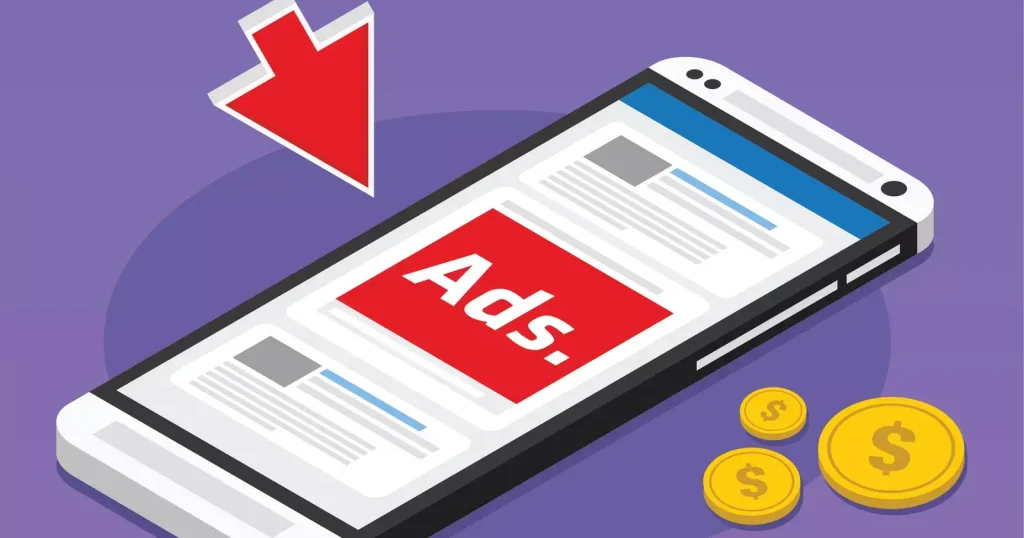
Benefits of Social Media Advertising
Social media advertising offers several important benefits for businesses. It allows brands to reach a large audience, target specific groups of users, and generate faster results compared to organic efforts alone.
With its wide reach, social media advertising helps businesses quickly gain visibility, making it especially useful when launching a new product or promoting a new service.
Targeted advertising on social media platforms allows businesses to focus on users who are more likely to be interested in their products or services. Ads can be shown based on factors such as age, location, interests, behaviour, and online activity.
This targeted approach helps businesses use their advertising budget more efficiently, reducing wasted spend on audiences who are unlikely to engage.
In addition, social media advertising can deliver immediate results. Promotions, limited time offers, and product announcements can drive quick actions such as enquiries, website visits, or sales.
Whether the goal is to introduce a new offering or boost interest in an existing one, social media advertising provides faster and more measurable outcomes.
Different Types of Social Media Advertising
There are several types of social media advertising available across different platforms. These include image ads, video ads, carousel ads, story ads, and sponsored posts that appear within users’ feeds.
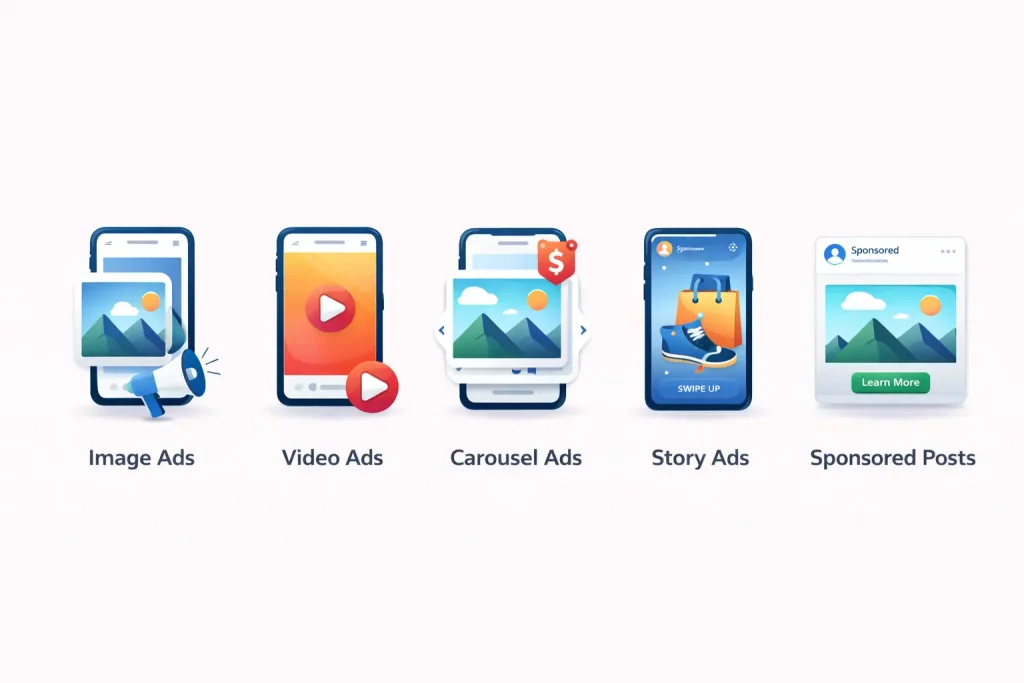
Some ads are designed to increase brand awareness, while others focus on driving traffic, generating leads, or encouraging direct purchases. Each format serves a different purpose, so it is important to choose the type of ad that matches your campaign goal and audience behaviour.
Tips for Effective Social Media Advertising
To run effective social media advertising campaigns, it is important to clearly understand your target audience. Knowing who you want to reach helps shape your message, visuals, and targeting settings.
Creating a clear and compelling message is equally important. Your ad should communicate value quickly and speak directly to the needs or interests of your audience.
Choosing the right platform also plays a key role. Different platforms attract different user groups, so selecting the most suitable channels helps maximise reach and impact. When the right message is delivered on the right platform, social media advertising becomes far more effective.
2. Social Media Marketing
Social media marketing is the process of using social media platforms to promote products and services through regular and unpaid activities. It helps businesses build brand awareness, engage with their audience, and generate leads by sharing content, interacting with followers, and maintaining an active online presence.
Benefits of Social Media Marketing
Social media marketing is an effective way to increase brand awareness, improve customer engagement, and manage marketing costs more efficiently. By being active on platforms like Facebook, Instagram, and Twitter, businesses can reach a wider audience much faster than through traditional marketing channels.
Another benefit is the ability to track performance more easily. With social media campaigns, you can see how people interact with your content and understand what works and what does not. This makes it easier to manage budgets and adjust campaigns to get better value from your marketing efforts.
Social media also allows brands to communicate directly with customers in real time. This two way interaction helps build trust, strengthen relationships with existing customers, and attract new ones through more personal engagement.
In addition, built in analytics tools provide useful insights into campaign performance. These insights help businesses refine their content, timing, and approach to improve results over time.
Lastly, social media marketing supports and strengthens your overall content marketing strategy. By sharing useful and relevant content consistently, businesses can position themselves as a trusted voice in their industry and guide potential customers through the buying journey more naturally.
Read More: 10 Benefits of Social Media Marketing for Businesses
Different Social Media Platforms
Social media marketing is an effective way to reach a large audience, and there are many platforms available to choose from. Facebook provides strong opportunities for businesses to engage with consumers, helping brands stay visible through detailed targeting options and reliable performance measurement tools. Twitter allows users to follow ongoing conversations about their brand or take part in discussions related to their industry.
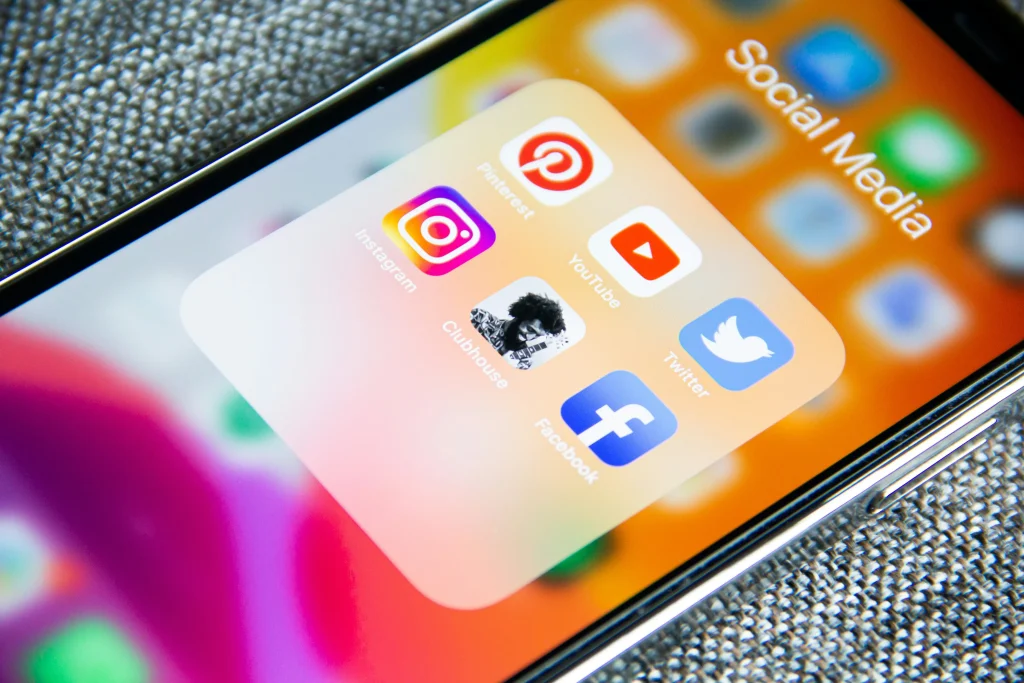
Instagram is well suited for businesses with visual based products or services. Sharing photos and visual content makes it easier to attract attention and increase organic reach. LinkedIn is sometimes overlooked for marketing, but its professional network offers valuable opportunities to connect with potential customers and identify people who may become long term supporters of your brand.
Lastly, YouTube enables businesses to share video content in a way that is both informative and engaging. Video content can help explain ideas clearly and leave a strong impression on both existing and potential customers. Regardless of which platforms you choose, the key is to create content that is tailored to each platform and matches the expectations of its audience.
In practice, managing content across multiple social media platforms can be time consuming and challenging for many businesses. This is why some brands choose to work with teams like Duplex Ventures, which help with social media content planning and day to day management, ensuring consistent visibility and a unified brand presence across different platforms.
Tips to Ensure Social Media Marketing Success
To run effective and successful social media campaigns, there are a few important points to keep in mind. Start by creating valuable content that is relevant and useful to your target audience. Make an effort to engage with customers by replying to comments and messages in a timely manner, as this helps build trust and stronger relationships.
Use analytics tools to monitor performance and understand what type of content works best. It is also important to stay updated with changes, trends, and new features across different social media platforms. Testing different content formats and approaches can help you identify what delivers better results over time.
Most importantly, consistency matters. Posting regularly and staying active on social media helps keep your brand visible and top of mind with your audience.
Social Media Advertising vs. Social Media Marketing
When comparing social media marketing and social media advertising, it is important to understand that both approaches have their own strengths and limitations. They are different forms of digital marketing and rely on different methods to promote products and services on social platforms. Neither is meant to replace the other. Instead, they serve different purposes depending on business goals.
Benefits and Limitations
When looking at the benefits and limitations of each approach, it helps to remember that one is not necessarily better than the other. The right choice depends on what you want to achieve.
1. Social Media Advertising
Social media advertising is designed to deliver faster and more direct results. It focuses on paid placements across social platforms to create urgency and encourage immediate actions, such as making a purchase, submitting an enquiry, or signing up for an offer. It also allows businesses to reach audiences who may not discover them through organic content alone.
However, social media advertising does come with certain challenges. Costs can increase quickly, especially when targeting specific locations, interests, or demographics. Competition within popular audiences can also drive up ad spend. In addition, some users may ignore or avoid ads, which can affect engagement if campaigns are not well planned.
2. Social Media Marketing
One of the main strengths of social media marketing is its ability to build long term relationships between a business and its audience. Through consistent posting, interaction, and useful content, businesses can build trust and stay connected with potential customers. Over time, this helps increase brand awareness and supports sales in a more natural way.
That said, social media marketing requires time and consistency. Managing accounts, creating content, and responding to messages can be resource intensive. Organic posts may also have limited reach if engagement is low, which means some content may not be seen by a large audience.
Which Strategy Is Best
Choosing between social media marketing and social media advertising depends on your business goals, target audience, and available budget.
If your goal is to build stronger engagement and long term connection, social media marketing may be more suitable. Brands like Nike have successfully used organic social media campaigns to engage audiences through storytelling and interactive content.
Social media advertising, on the other hand, is often more effective when quick results are needed. It can drive awareness and action faster than organic efforts, but it usually requires a dedicated budget and careful campaign management. Red Bull is an example of how well planned social media advertising campaigns can create strong impact when paired with clear messaging.
Before deciding, it is important to evaluate how each approach aligns with your business needs.
Can You Use Both?
Yes, social media marketing and social media advertising often work best when used together. Social media marketing helps build awareness and trust over time, while social media advertising helps amplify messages and reach larger audiences more quickly.
By combining both strategies, businesses can use organic content to support paid campaigns, drive traffic, and reinforce key messages across social platforms. This balanced approach helps achieve measurable results without relying too heavily on just one method.
Conclusion
In conclusion, the marketing landscape continues to change and evolve over time. When it comes to promoting a brand, there is no single approach that works for every business. Based on your goals and budget, you may decide to place more emphasis on social media marketing efforts or allocate more resources toward advertising channels. Social media marketing offers a strong way to connect with potential customers and maintain relationships with existing ones, but it usually requires ongoing time and consistency. Advertising, on the other hand, focuses on increasing visibility and reach, but costs can rise depending on the scale and results you are aiming for.
Regardless of the approach you choose, it is important to evaluate the advantages and limitations carefully before making a decision. Think about how each strategy can be adjusted to improve return on investment and deliver real value to your target audience. When planned and executed properly, both social media marketing and advertising can contribute meaningfully to business growth and overall performance.
Frequently Asked Questions (FAQ)
Is Social Media Advertising the same as Social Media Marketing?
No. Social Media Advertising is paid campaigns. Social Media Marketing is the full system including content, engagement, and sometimes ads.
Which is better for SMEs in Malaysia?
Most SMEs should do both: Social Media Advertising for speed, Social Media Marketing for long-term trust and stable results.
How fast can I get leads using Social Media Advertising?
If your offer and funnel are clear, leads can come within days. But performance depends on creative, budget, and response speed.
Can I do Social Media Marketing without ads?
Yes, but it’s slower. Organic growth is possible if you post consistently and your content is relevant.
What platform is best for Social Media Advertising in Malaysia?
Depends on your audience. Meta (FB/IG) is strong for local services, TikTok for attention and video-led offers, LinkedIn for B2B.
Why do my ads get clicks but no enquiries?
Usually a funnel issue: weak offer, confusing landing page, slow WhatsApp response, or wrong audience targeting.
Should I boost posts?
Boosting can work for simple awareness, but proper ads manager campaigns are better for leads, tracking, and retargeting.
How do I reduce cost per lead over time?
Build Social Media Marketing content that creates trust, then use retargeting + proven creatives in Social Media Advertising.
Visit our page if you need more details.
Also Read: