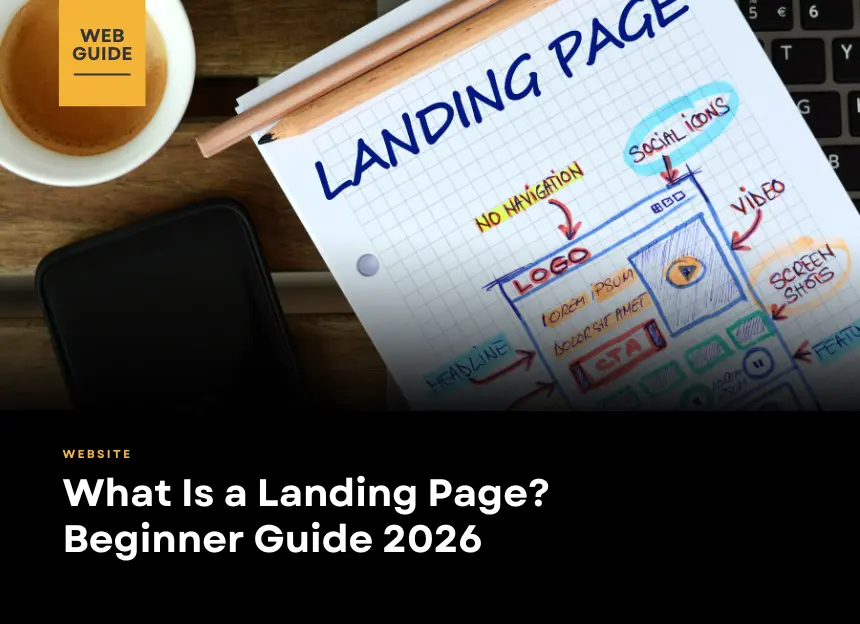
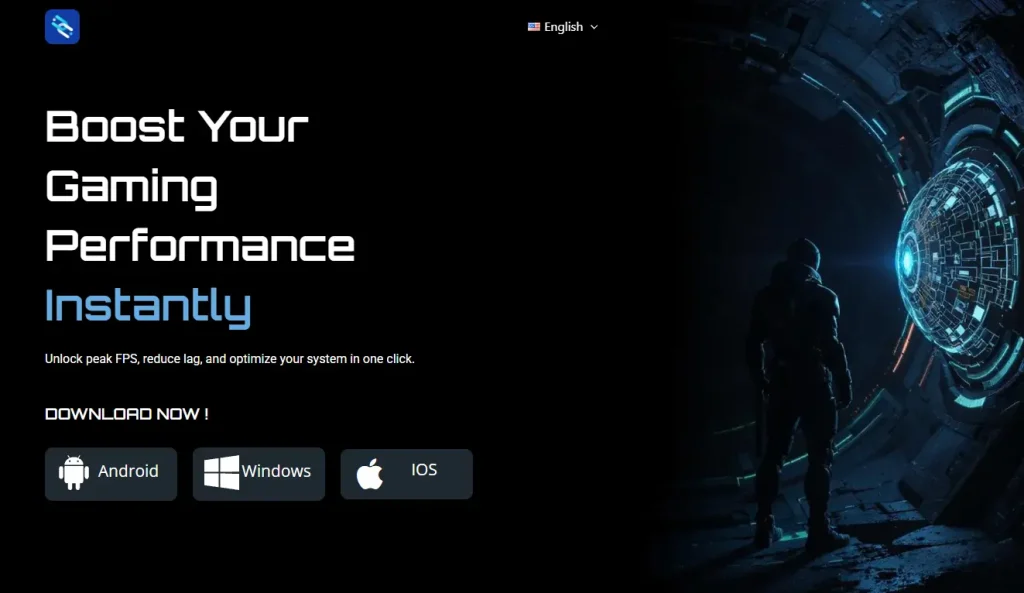
What is a landing page? A landing page is a standalone web page designed specifically to convert visitors into leads or customers. Unlike a homepage, which provides general information, a landing page focuses on a single goal such as collecting email sign-ups, generating enquiries, or promoting a specific offer. In digital marketing, landing pages are used in advertising campaigns, SEO strategies, and sales funnels to increase conversion rates by guiding users toward one clear call to action.
Table of Contents
If you are running online ads or trying to generate leads, you have probably come across the question, what is a landing page?
Many businesses often confuse landing pages with regular website pages. However, a landing page is designed with one very specific goal, conversion.
In this guide, you will learn what a landing page is, how it works, why it is important, how it differs from a homepage, and how to create one effectively to improve your marketing results.
What Is a Landing Page
A landing page is a web page designed with a single, focused goal, which is to get visitors to take a specific action. This action could be signing up for a newsletter, purchasing a product, downloading an e book, or reserving a ticket for an event.
On a landing page, visitors are usually guided to do just one thing. This clear and targeted focus is what makes landing pages highly effective. With fewer distractions and choices, users can make quicker decisions, which often leads to higher conversion rates.
Why Is a Landing Page Important
When someone clicks on your advertisement, they already have intent. They are interested in your offer and want to learn more. However, if you send them to a homepage instead of a dedicated landing page, they may lose focus before taking action.
They might:
- Get distracted by other content
- Click unrelated navigation links
- Leave the website without converting
A landing page removes these distractions by guiding visitors toward one clear objective. This focused structure increases the likelihood of conversion. In modern digital marketing, landing pages play a critical role in improving campaign performance and maximising ROI.
Landing Page vs Homepage: What’s the Difference?
| Feature | Landing Page | Homepage |
| Purpose | Single goal | General information |
| Navigation | Minimal or none | Full navigation menu |
| CTA | One main call-to-action | Multiple CTAs |
| Audience | Specific campaign traffic | Broad visitors |
| Conversion Focus | High | Moderate |
A homepage introduces your brand, while a landing page is built to turn visitors into customers.
Need a High Converting Landing Page?
We help businesses design landing pages that capture leads and drive real conversions. Let our team build one tailored to your goals.
How a Landing Page Works in a Funnel
In a digital marketing funnel, a landing page plays a critical role in turning traffic into leads or customers. It acts as the bridge between your marketing campaigns and your conversion goal.
A typical funnel journey looks like this:
- A user sees your ad or marketing content
- The user clicks the link
- The user lands on your landing page
- The user takes a specific action
For example, a prospect may click on your Google Ad, arrive at your landing page, send a WhatsApp enquiry, and then enter your CRM system for follow up.
Without a dedicated landing page, funnel performance can drop significantly because traffic is not guided toward a clear conversion path.
Key Elements of a High-Converting Landing Page
If you are asking what is a landing page in a practical sense, it is important to understand the key elements that make one effective. A high converting landing page is not just about design. It is about structure, clarity, and guiding visitors toward one specific action.
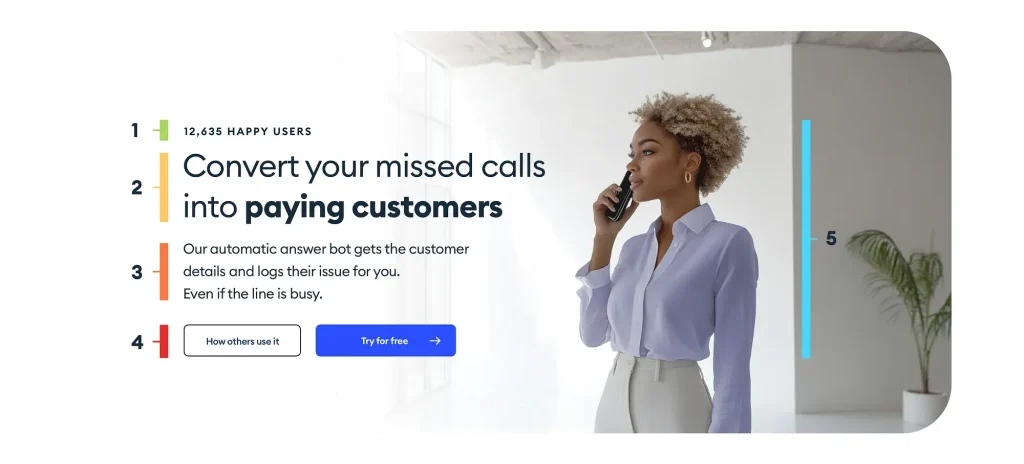
1. Clear Headline
Your headline is the first thing visitors see, so it must immediately capture attention and communicate value.
A strong headline should:
- Address a problem your audience faces
- Offer a clear benefit or solution
- Match the message from your ad or campaign
When your headline aligns with the user’s expectation, it builds instant trust and reduces bounce rates.
2. Strong Value Proposition
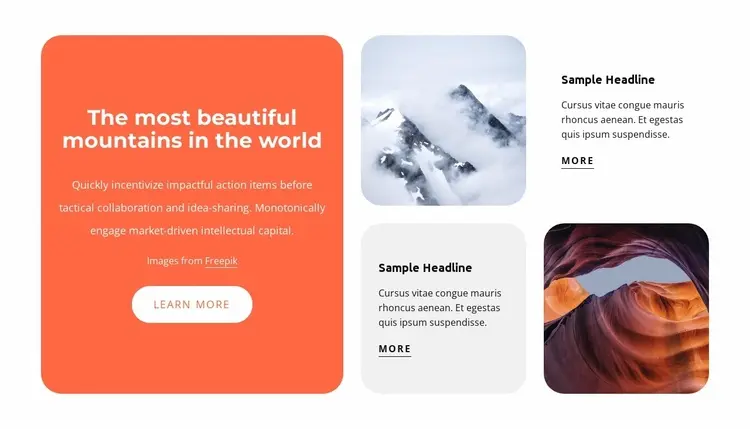
Your value proposition explains why visitors should choose you over competitors. It should clearly communicate:
- What you offer
- Who your service or product is for
- Why it matters
- What makes you different
The clearer your positioning, the easier it is for visitors to understand your value and move toward conversion.
3. One Clear Call-to-Action (CTA)
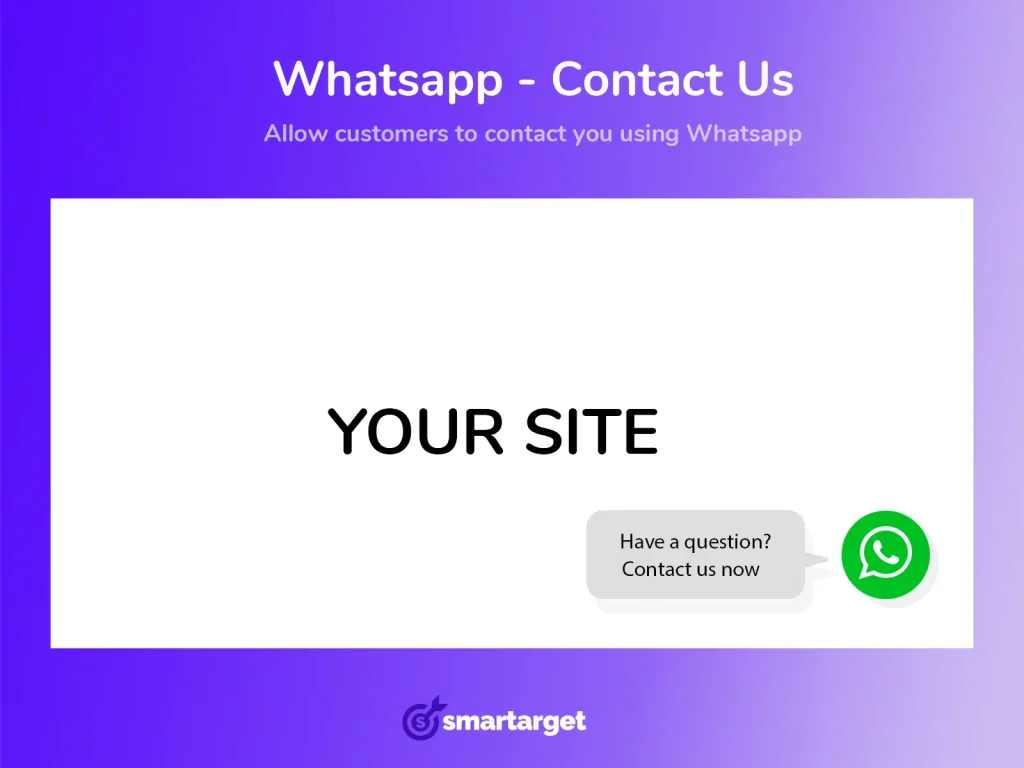
Every landing page should focus on a single primary call to action. This keeps visitors focused and avoids decision fatigue.
Common CTA examples include:
- Get a Free Quote
- Download Now
- Book Consultation
- Contact Us
Avoid placing multiple competing CTAs on the same page, as this can reduce conversion effectiveness.
4. Supporting Content
Supporting content helps reinforce your offer and build credibility, but it should remain concise and relevant.
This may include:
- Short service explanations
- Key benefits lists
- Customer testimonials
- Social proof such as reviews or logos
- FAQs to address objections
The goal is to support the decision making process without overwhelming the visitor.
5. Lead Capture Form or Contact Method
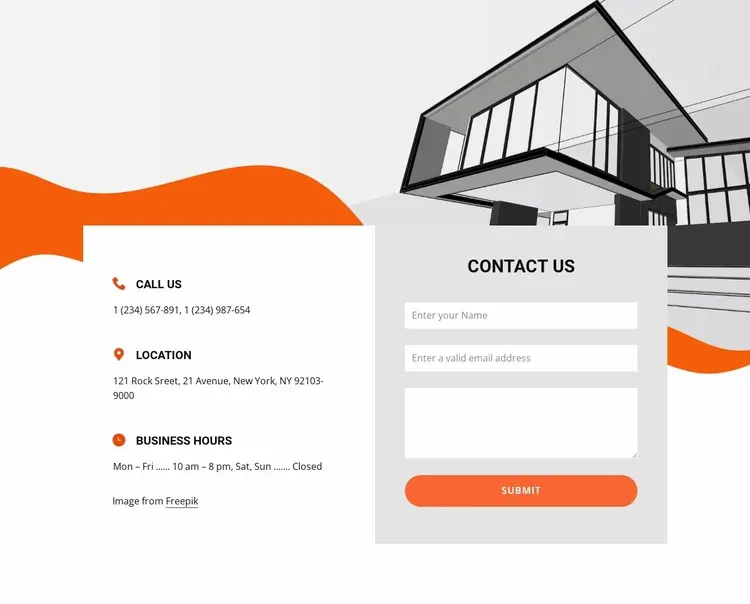
Finally, every landing page needs a clear method for capturing leads or enquiries.
This could include:
- Name and email form
- Phone number field
- WhatsApp contact button
- Appointment booking calendar
Forms should always be simple and quick to complete, as shorter forms typically result in higher conversion rates.
What Are Some Landing Page Examples
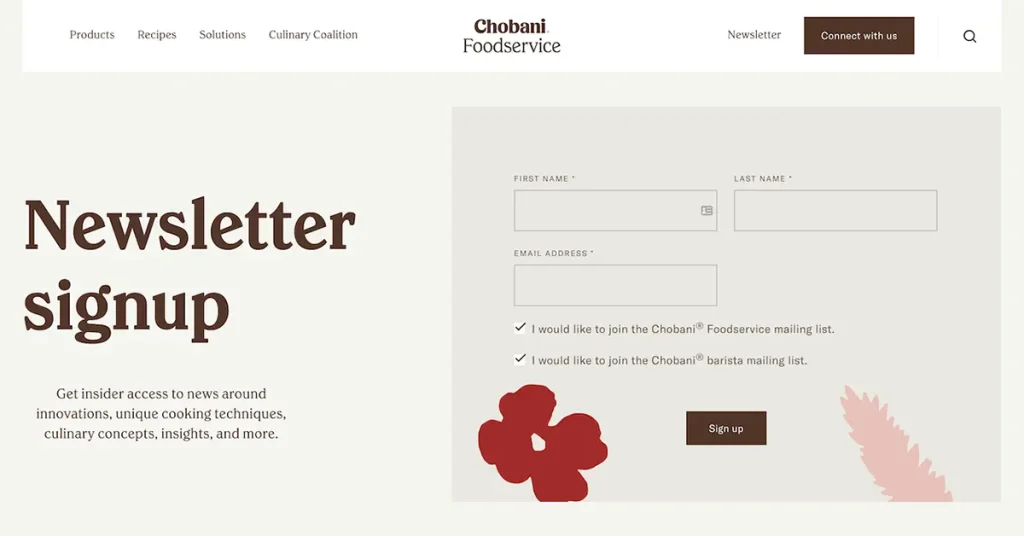
1. Lead Generation Landing Pages
A lead generation landing page is created to collect contact details from visitors so businesses can follow up later. Instead of selling straight away, the page usually offers something valuable such as a free guide, quotation, or consultation in exchange for information like name, email, or phone number.
Once the details are collected, businesses can stay in touch through email, WhatsApp, or remarketing ads until the prospect is ready to buy. This helps build relationships and move leads further down the marketing funnel.
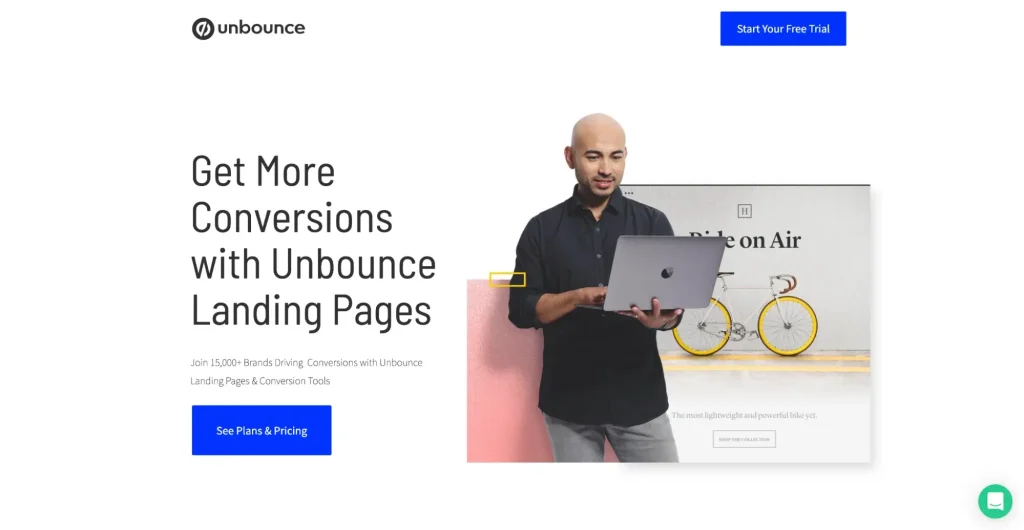
2. Click Through Landing Page
A click through landing page is used to warm up visitors before sending them to a checkout or sign up page. Rather than asking for an immediate purchase, the page explains the offer first and builds interest.
It may highlight product benefits, service features, or customer reviews to help visitors feel more confident. After understanding the value, users are then guided to click through to the final purchase or registration page.
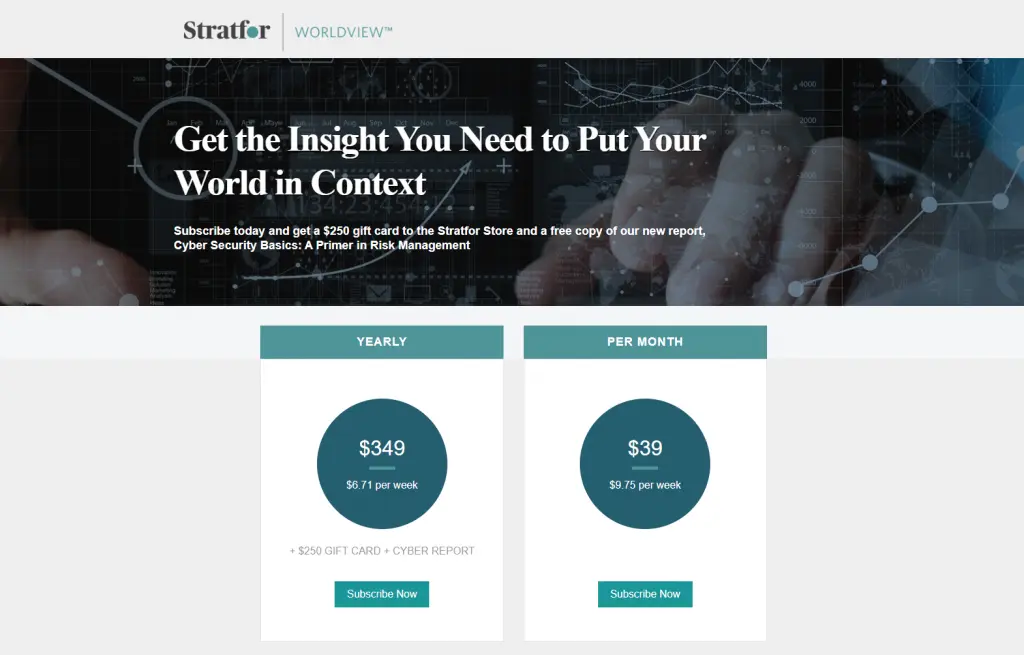
3. Sales Landing Page
A sales landing page is designed to sell a product or service directly. The entire page focuses on convincing visitors to take action, usually by making a purchase or booking a service.
It often includes product details, pricing, testimonials, and FAQs to answer common questions. The goal is to build trust, remove doubts, and encourage visitors to complete the transaction.
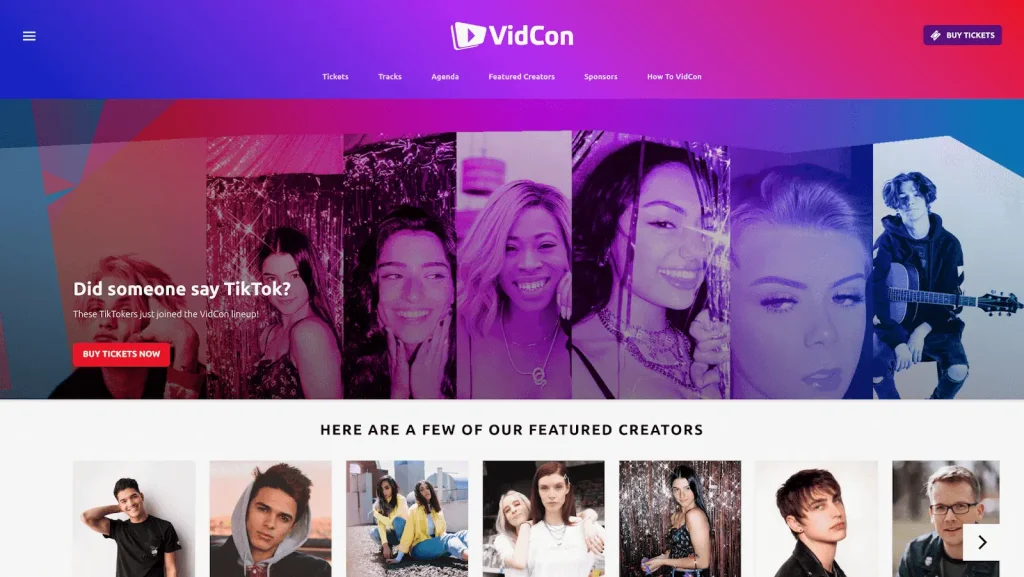
4. Event Registration Landing Page
An event registration landing page is created to promote webinars, workshops, or seminars and encourage people to sign up. It usually includes event details such as date, time, topic, and speaker information.
By clearly showing the value of attending, the page motivates visitors to register. At the same time, businesses can collect participant details for reminders and future marketing follow up.
Common Landing Page Mistakes
Many businesses misunderstand what a landing page is and end up making critical mistakes that reduce conversion performance. Instead of guiding visitors toward one clear action, the page becomes distracting or confusing.
Some of the most common landing page errors include:
- Sending ad traffic to the homepage instead of a dedicated page
- Including too many navigation links that pull users away
- Using weak or unclear headlines
- Having no strong call to action
- Designing pages that are overly complicated
- Slow loading speed that causes visitors to leave
A high converting landing page should always be simple, focused, and built around one clear objective.
Why Malaysian SMEs Need Landing Pages
For businesses operating in competitive markets having a dedicated landing page is increasingly important. Paid ads perform best when traffic is directed to a focused conversion page rather than a general website.
This is especially relevant in Malaysia where:
- WhatsApp enquiries are very common
- Users compare services quickly
- Attention spans are shorter than ever
If visitors cannot find what they need immediately, they are likely to leave. A dedicated landing page removes distractions and guides users toward one clear action, significantly improving conversion rates compared to sending traffic to a general website page.
Final Thoughts
So, what is a landing page?
It is not just another webpage. It is a conversion tool designed to turn traffic into real business results.
Businesses that use landing pages correctly often see higher conversion rates, lower cost per lead, better ad performance, and more structured marketing funnels.
In 2026, running ads without a dedicated landing page is inefficient. A landing page is no longer optional. It has become an essential part of modern digital marketing.
Frequently Asked Questions (FAQ)
What is a landing page?
A landing page is a standalone web page designed to convert visitors into leads or customers by focusing on one specific goal, such as form submission or booking.
How is a landing page different from a homepage?
A homepage provides general information and navigation, while a landing page is focused on a single campaign objective with minimal distractions.
Why do businesses need a landing page?
Landing pages increase conversion rates by guiding visitors toward one clear action, improving ROI from ads and marketing campaigns.
Can I run ads without a landing page?
Yes, but sending traffic to a homepage often reduces conversions. A dedicated landing page improves campaign performance significantly.
What makes a landing page high-converting?
Clear headline, strong value proposition, one main CTA, social proof, simple design, and fast loading speed.
Is a landing page important for SMEs?
Yes. SMEs benefit from landing pages because they maximise lead generation and reduce wasted ad spend.
Visit our page if you need more details.
Also Read:
- What Is a Content Management System (CMS)? 2026
- 10 Best CMS Platforms to Build With in 2026 (Compared)
- 10 Best E-Commerce CMS Platforms to Boost Your Sales (2026)
- WordPress vs Wix (Malaysia 2025): Which Is Best for Your Website?
- Shopify vs. WooCommerce (2026): Which Is Better?
- 10 Best Ecommerce WordPress Themes for Online Stores (2026 Guide)
- 10 Best WordPress Plugins 2025 for Every Website