SEO, GEO, and AEO are three different but connected strategies for online visibility in 2026. SEO (Search Engine Optimization) focuses on ranking websites in traditional search results. GEO (Generative Engine Optimization) optimizes content for AI-generated answers and summaries. AEO (Answer Engine Optimization) targets direct answers in featured snippets and AI Overviews. Businesses no longer need to choose just one—successful digital strategies combine SEO for traffic, AEO for answers, and GEO for AI-driven discovery.
Table of Contents
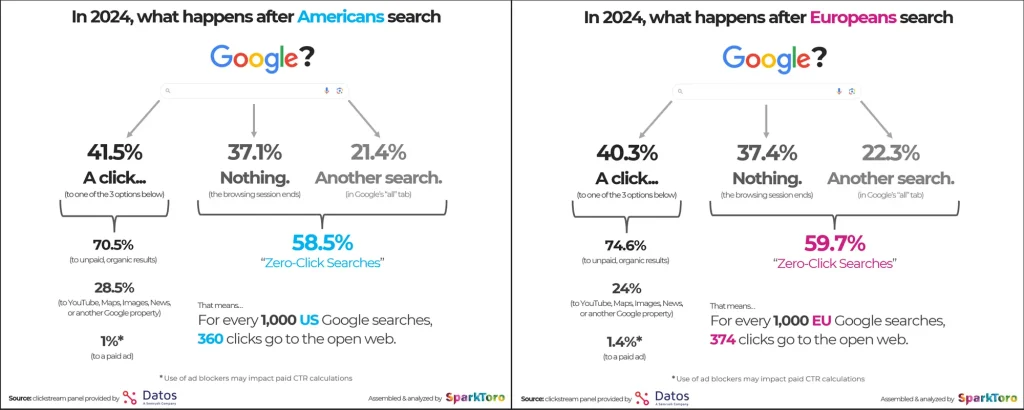
As we move into 2026, the way people search online in Malaysia and across Southeast Asia is changing really fast. AI-powered search, mobile-first habits, and AI-driven recommendations are now a normal part of how users find information. Even though Google still controls over 96% of the search market in Malaysia, relying on traditional SEO alone just isn’t enough anymore. Today, more than 60% of searches end without a click, because users get answers directly on the search page.
SEO vs GEO vs AEO
On top of that, voice search usage in Southeast Asia has jumped by over 50% since 2022, and tools like Google’s SGE, ChatGPT, and other AI chatbots are changing how people ask questions and get answers. Search is no longer just about ranking links, it’s about being the answer. To stay competitive in 2026, businesses need to think beyond SEO and work with an SEO company in Malaysia that understands GEO and AEO. These strategies help your brand stay visible in AI results, voice searches, and zero-click experiences, where modern search is clearly heading.
What is SEO?
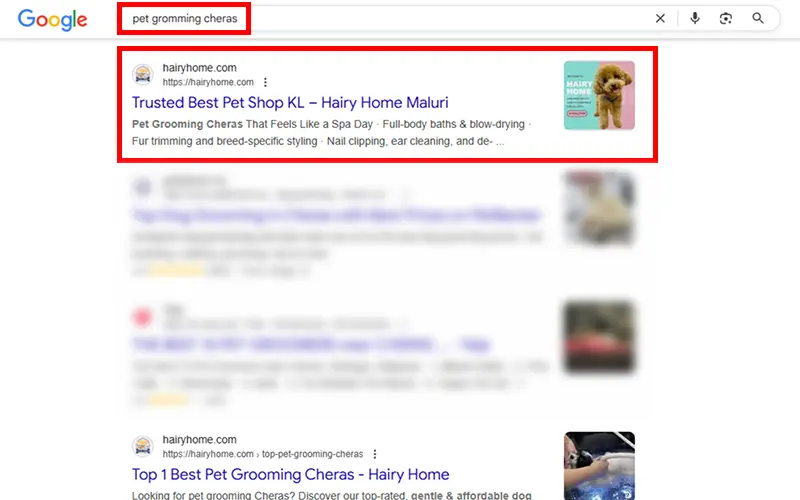
Search Engine Optimization (SEO) is the foundation of digital marketing. It’s about improving your website and content so they appear higher on search engines like Google and Bing when people search for what you offer.
SEO usually includes a few core areas:
- Keyword research – finding the exact terms your audience is searching for
- Content optimization – creating useful, relevant content around those keywords
- On-page SEO – optimizing titles, meta descriptions, headings, and internal links
- Technical SEO – making sure your site is fast, secure, and mobile-friendly
- Backlinks – earning links from trusted websites to build authority
At its core, SEO has one clear goal: help the right people find your website through search results. When done well, SEO drives consistent organic traffic, increases brand visibility, and generates quality leads without relying on paid ads.
What is GEO?
As search engines get smarter, they’re no longer just showing links—they’re generating answers. This shift is powered by AI and is known as Generative Engine Optimization (GEO). GEO focuses on optimizing your content so it can be understood, trusted, and surfaced by AI-driven search experiences like Google’s SGE, Bing Chat, and other AI search engines.
Key parts of GEO include:
- Conversational content – answering questions in a natural, human way
- Semantic depth – adding context, related topics, and entities so AI understands the full picture
- Structured data – using schema markup to help AI extract and summarize information
- Fresh, accurate content – keeping information up to date so AI pulls reliable answers
GEO is about making your content AI-readable and AI-trustworthy. Ranking alone is no longer enough. Your website must also be structured and written in a way that AI can confidently summarize and present as an answer.
What is AEO?
Answer Engine Optimization (AEO) focuses on helping your content show up as the direct answer to a user’s question. It’s especially important for featured snippets, voice search, and AI-generated answers where users get information without clicking multiple links.
How AEO works in practice:
- Clear, short answers – Responding to common questions in a direct, easy-to-understand way
- FAQ-style content – Structuring pages around real questions people ask
- Scannable formatting – Using headings, bullet points, and numbered lists
- Intent matching – Aligning content exactly with what users want to know
AEO helps your website own the answer. When someone asks questions like “What is AEO?” or “How does voice search work?”, well-optimized content can appear at the top of search results or be used by voice assistants, increasing both visibility and authority.
Key Differences Between SEO, GEO, and AEO
As search behaviour in Malaysia and Southeast Asia continues to change in 2026, businesses need to understand how SEO, GEO, and AEO each play a different role in digital marketing. While they are related, they focus on different parts of the modern search journey.
| Feature | SEO | GEO | AEO |
| Focus | Website ranking in seach engines | AI-generated search results (Google SGE, ChatGPT, Bing AI) | Featured snippets, voice search, direct answers |
| Key Ranking Factors | Keywords, backlinks, mobile-friendliness | AI-friendly content, structured data, conversational tone | Schema markup, Q&A format, direct answers |
| Search Type | Traditional Google Search | AI-powered chat search | Zero-click searches, voice search |
| Impact on Traffic | Drives organic traffic to websites | Users may get answers directly from AI without clicking links | Increases visibility in AI-driven and voice searches |
| Best for | Websites, blogs, e-commerce SEO | AI-driven content marketing | Local businesses, influencers, e-commerce platforms |
Impact on E-commerce, Local Businesses & Influencers
As search becomes more AI-driven in Malaysia and Southeast Asia, SEO, GEO, and AEO each affect different types of businesses in practical ways.
1. E-commerce (Shopee, Lazada, TikTok Shop)
- Traditional SEO is still important for ranking product pages, reviews, and categories on Google.
- GEO matters more as AI search tools recommend products based on descriptions, reviews, and competitor data.
- AEO helps brands show up in voice searches like “best power bank under RM100 on Shopee.”
2. Local Businesses
- Local SEO helps businesses appear on Google Maps and in “near me” searches.
- GEO affects how AI chatbots recommend businesses when users ask questions like “where’s the best cafe in KL?”
- AEO ensures business details appear in Featured Snippets and voice search results.
3. Influencers & Content Creators
- SEO improves discoverability on Google and YouTube.
- GEO helps influencers get included in AI-generated lists and summaries, such as “top Malaysian beauty influencers.”
- AEO increases visibility in voice searches and AI chatbot answers.
Understanding these differences helps businesses and creators adjust their digital strategies to stay visible in Malaysia and Southeast Asia’s evolving search landscape in 2026.
How to Optimise for AEO and AI Chatbots
1. Use Structured Data (Schema Markup, FAQs, Q&A)
- Adding structured data such as FAQ, How-To, and Q&A schema makes it easier for search engines and AI tools to understand your content.
- Pages that use schema are more likely to be selected for featured snippets, AI-generated answers, and chatbot responses.
2. Write Clear, Focused Answers
- Search engines and AI chatbots favour short, accurate answers, usually around 40–60 words.
- Using bullet points, numbered lists, and clear headings helps your content stand out in answer-based results and improves how AI tools extract and present your information.
3. Optimise for Natural, Conversational Queries
- AI chatbots rely on natural language queries. Structuring content in a question-and-answer format improves visibility.
- Long-tail, conversational phrases such as “How can I register a business in Malaysia?” closely match how users interact with voice search and AI assistants.
By applying these AEO-focused practices, businesses in Malaysia and Southeast Asia can stay visible across search engines and AI chatbots, attract high-intent users, and remain competitive as search continues to shift toward instant, AI-driven answers.
Why Businesses Should Care About SEO, GEO, and AEO
Search is changing fast, and businesses in Malaysia and Southeast Asia can’t rely on old SEO tactics alone anymore. With AI-powered search results, voice search, and zero-click answers becoming the norm, understanding SEO, GEO, and AEO is now critical to staying visible and competitive online.

Future Trends in Search Marketing (2026 & Beyond)
- AI-powered search is taking over. Google’s Search Generative Experience (SGE) and Bing AI are changing how results are shown, with AI summaries often appearing before traditional website links.
- Zero-click searches are increasing. More than 60% of Google searches now end without a click. Users get answers directly on the search page, which means brands must optimise to appear in those answers.
- Voice search is growing rapidly. Around half of users in Southeast Asia regularly use voice search. This has a big impact on local search, mobile optimisation, and how content is written.
The Shift Toward AI-Powered Search & Direct Answers
- AI tools like ChatGPT and Google SGE are becoming go-to sources for quick answers.
- Traditional SEO on its own is no longer enough. Businesses need GEO to appear in AI-generated responses and AEO to show up in featured answers and voice results.
- Mobile-first and voice-driven searches require clear structure, schema markup, and natural, conversational content to stay discoverable.
In short, businesses that adapt early to SEO, GEO, and AEO will have a clear advantage as search continues to move toward AI-driven answers and conversations.
Conclusion
SEO, GEO, and AEO are not trends but essential layers of modern search visibility. In 2026, SEO helps users find and visit your website, AEO positions your brand as the direct answer in featured snippets and voice search, and GEO ensures AI systems recognise, trust, and reference your content. Businesses that integrate all three strategies don’t just rank on search engines—they stay visible, credible, and discoverable wherever and however search happens.
Frequently Asked Questions
Is SEO still relevant in 2026?
Yes. SEO remains the foundation for discoverability, traffic, and content authority.
What’s the difference between AEO and GEO?
AEO focuses on answering questions directly, while GEO focuses on being included in AI-generated summaries and responses.
Do I need separate content for SEO, AEO, and GEO?
No. Well-structured, high-quality content can support all three when done correctly.
Which strategy is best for small businesses?
Start with SEO, then layer AEO elements. GEO benefits grow as authority increases.
Visit our page if you need more details.
Also Read:
- What is SEO and How Does it Work?
- What Is GEO? Generative Engine Optimization Explained (2026)
- WordPress SEO Plugins: The Best Tools to Improve Rankings in 2026
- What Is Black Hat SEO? 17 Risky Tactics to Avoid (2026)
Stay Connected: Website | Facebook | Instagram | TikTok | Lemon8 | Xiaohongshu
Share This Article: