A website and social media serve different roles in business growth. In 2026, a website is the foundation of your online presence, giving you full ownership, credibility, SEO visibility, and conversion control. Social media is best for engagement, reach, and real-time interaction, but it is limited by algorithms and platform rules. The best approach is not choosing one over the other—successful businesses use social media to drive traffic and trust, while relying on a website to convert visitors into leads and customers.
Table of Contents
What is a Website?
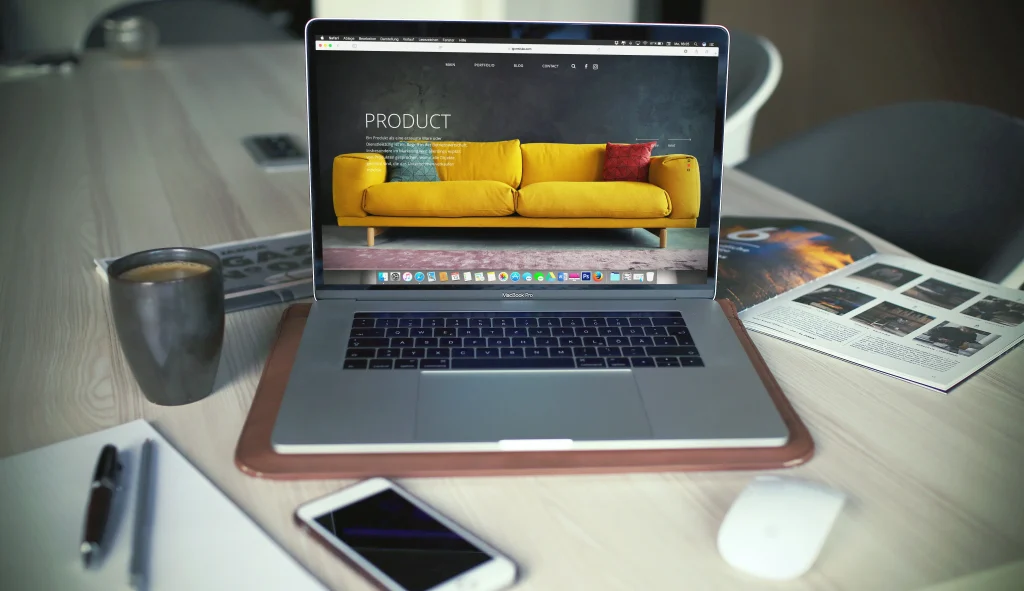
A website is basically your business’s own place online. It’s where you show what you offer, explain who you are, and let customers learn more about you. Because you own it, you have full control over how everything looks and works, making it the best place to present your business in a professional way.
What is a Social Media?
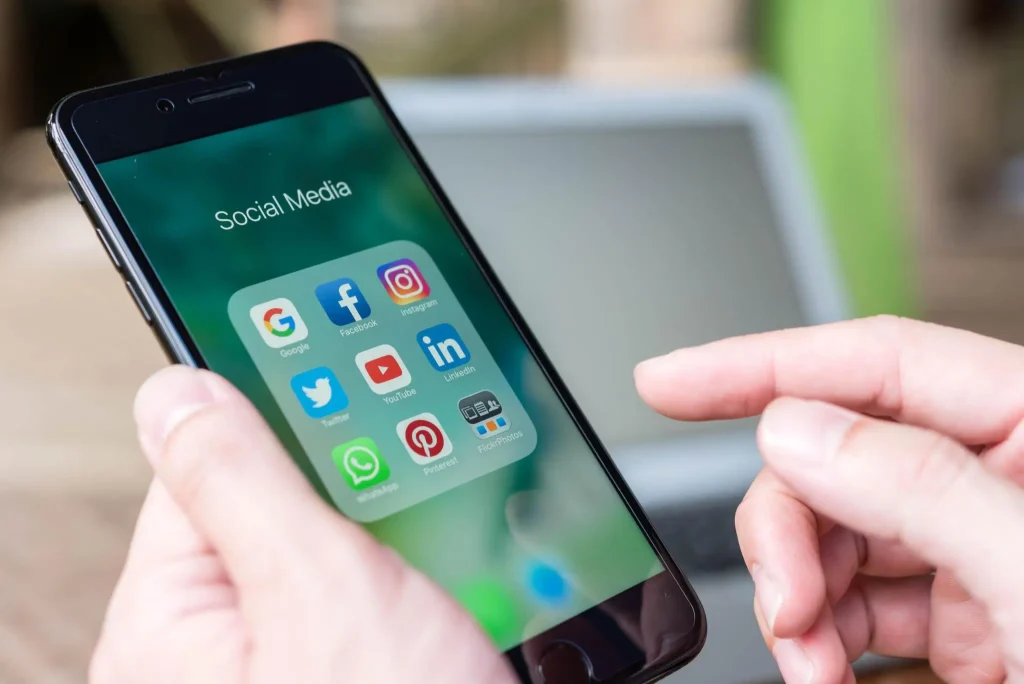
Social media is focused on interaction and engagement. It’s where people come to chat, share content, and connect, and where businesses can create profiles on platforms like Facebook, Instagram, Twitter, and LinkedIn to post updates, reply to customer messages in real time, and engage with their audience. Overall, social media is mainly about building relationships and growing a community around your brand, rather than being something you fully own or control.
Website vs Social Media: The Core Difference
1. Ownership and Control
- Websites: You fully own your domain and content. Nothing can be taken down unless you stop paying for hosting or let your domain expire.
- Social Media: You are subject to platform rules. Accounts can be suspended, content removed, and algorithms can limit who sees your posts.
2. Customization and Branding
- Websites: Full control over design, layout, navigation, and branding. The experience can be tailored precisely to your ideal customer.
- Social Media: Branding options are limited, with no control over layouts or user interface.
3. Audience Reach and Visibility
- Websites: Strong for long-term visibility through SEO and direct traffic. Content can remain relevant and discoverable for years.
- Social Media: Great for short-term reach and virality, but content has a short lifespan. On average, only about 3% of Instagram followers and 1.2% of Facebook followers see a post.
4. Credibility and Trust
- Websites: Visitors expect detailed brand information, products, case studies, and proof points, all presented in a more professional and controlled way.
- Social Media: Trust is often based on likes, followers, and engagement, which can be inconsistent or misleading.
5. Lead Generation and Conversions
- Websites: Built for conversions with clear CTAs, landing pages, and CRM or analytics integrations. Average website conversion rates across industries are around 5.89%, higher than most social campaigns.
- Social Media: Conversions usually require redirecting users to a website.
6. Cost and Effort
- Websites: Higher upfront investment, but stronger long-term ROI through owned traffic and consistent conversions.
- Social Media: Free to start, but real growth often requires constant content creation or paid advertising.
Differences at a Glance
| Factor | Website | Social media |
|---|---|---|
| Purpose | Shows your business and brand, and can sell directly | Used mainly for marketing and community building |
| Ownership | You own the site and its content under your domain | The platform controls your account and reach |
| Customization | Full control over design and content | Limited by the platform’s layout and rules |
| Outcomes | Builds trust, explains your business, and supports sales | Builds engagement, followers, and interaction |
Why Your Business Needs a Website (Key Benefits)
A website is the main hub of your business’s digital presence. It’s built to attract visitors, explain what you do, and turn interest into real enquiries or sales.
1. Professionalism and Credibility
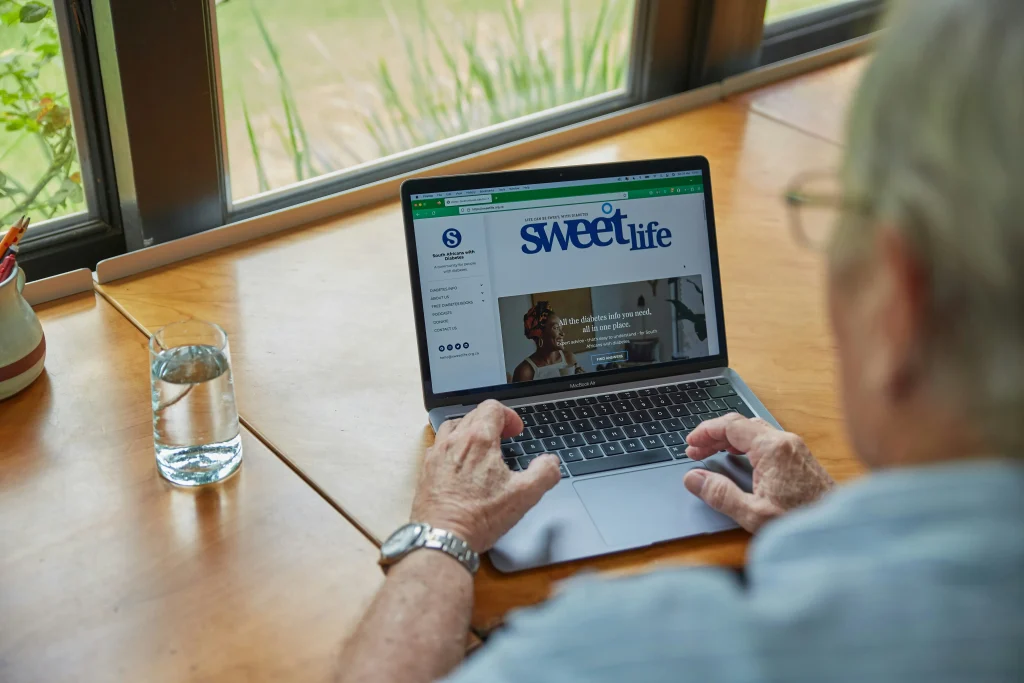
A legitimate business is expected to have its own website. A custom domain and clean design make your brand look professional, trustworthy, and established from the first visit.
2. Search Engine Visibility
Unlike social media, websites can rank on search engines like Google. This means customers can find your business when they search for products or services you offer. Well-optimised pages can bring in consistent, long-term traffic without relying on ads.
As search engines increasingly show answers directly on results pages, optimising your website for Answer Engine Optimisation (AEO) helps your brand stay visible even when users don’t click through.
Looking to improve your site’s performance in the eyes of the search engines? Explore the services of our SEO agency for tech startups.
3. Conversion Optimisation
Websites are designed to convert visitors into leads or customers. With clear messaging, strong calls to action, and proper tracking tools, you can test what works and improve results over time.
4. Content and Resource Hub
A website allows you to create a central place for valuable content such as blog posts, guides, case studies, and downloads. This helps educate potential customers, build authority in your industry, and support better decision-making.
5. Analytics and Data Ownership
With a website, you have full access to detailed data. You can see where visitors come from, how they move through your site, and what leads to conversions. This data helps you improve performance and make smarter business decisions, something social media alone can’t provide.
Start Your Website Today!
Why Social Media Matters for Your Business (Key Benefits)
Social media helps you connect with your audience and increase visibility, especially in the short term. It plays an important role in supporting brand awareness, engagement, and growth.

1. Audience Engagement and Community Building
Social media platforms are built for interaction. They make it easy to reply to comments, answer questions, and engage with customers in real time. This helps businesses build relationships and grow a community around their brand in a way that websites alone can’t.
2. Brand Awareness and Reach
Social media algorithms are designed to distribute content quickly. When posts perform well, they can reach new audiences beyond your existing followers, helping more people discover your brand.
3. Real-Time Updates and Feedback
Social media is ideal for sharing announcements, product launches, promotions, and updates. It also allows you to get immediate feedback through likes, comments, shares, and direct messages.
4. Cost-Effective Marketing
Creating social media profiles is free, and consistent posting can generate organic reach. Paid advertising options are also available, allowing you to scale visibility when needed.
5. Networking Opportunities
Each social platform serves a different purpose. For example, LinkedIn is especially useful for B2B networking, connecting with industry peers, decision-makers, and potential partners. Social media enables conversations that support relationship-building and business growth.
Conclusion
Websites and social media are not rivals. They work best together. A website gives you control, credibility, and a place to convert visitors into customers. Social media helps you get attention, reach more people, and build relationships.
For B2B businesses, the website is the foundation. It’s where potential clients go to learn about you, decide if they trust you, and take action. Social media supports this by keeping your brand visible and driving traffic back to your site.
The smartest approach is to use both. Start with a professional website as your core, then use social media to attract and guide people to it. Together, they create a stronger sales funnel and support steady business growth.
If you’re ready to improve your online presence, investing in both is a good next step. Duplex Ventures is a B2B digital marketing and web design agency that helps businesses build websites and marketing funnels that turn visitors into real customers.
Frequently Asked Questions
Do I need a website if my business is active on social media?
Yes. Social media is great for engagement, but a website gives you credibility, control, and a place to convert visitors into customers. Your website is the foundation of your online presence.
Which should I create first: a website or social media pages?
Ideally, both. If resources are limited, start with a simple website for legitimacy, then maintain at least one active social media profile for visibility. Even a basic site helps your business look professional from day one.
What are the risks of relying only on social media?
You’re dependent on platform rules and algorithms. Accounts can be suspended, reach can drop overnight, and your business may appear less credible without a website.
Can a Facebook or LinkedIn page replace a website?
No. Social pages are not designed to fully explain your brand or guide visitors toward conversion. They work best as support channels, not as replacements for a website.
Which is better for lead generation: a website or social media?
Websites are better for capturing and converting leads. Social media works better for awareness and driving traffic. The best results come when both are used together.
Do Gen Z customers still visit websites, or only use social media?
Gen Z spends a lot of time on social platforms, but they still expect credible businesses to have websites. For serious purchase decisions, they often visit official websites to check details and legitimacy.
Visit our page if you need more details.
Also Read:
- What Is a Content Management System (CMS)? 2026
- 10 Best CMS Platforms to Build With in 2026 (Compared)
- 10 Best E-Commerce CMS Platforms to Boost Your Sales (2026)
- 10 Best Ecommerce WordPress Themes for Online Stores (2026 Guide)
- Shopify vs. WooCommerce (2026): Which Is Better?
- WordPress Website Guide: Definition, Types, Design & Cost
- 10 Best WordPress Plugins 2025 for Every Website
- WordPress vs Wix (Malaysia 2025): Which Is Best for Your Website?
Stay Connected: Website | Facebook | Instagram | TikTok | Lemon8 | Xiaohongshu
Share This Article: