What is black hat SEO? Black hat SEO is a set of tactics that try to manipulate Google rankings by breaking search engine guidelines—usually for quick wins. Common examples include keyword stuffing, buying backlinks, private blog networks (PBNs), cloaking, hidden text, and spammy doorway pages. These methods can work temporarily, but they often lead to ranking drops, deindexing, or long-term trust damage. For Malaysia SMEs, black hat SEO is especially risky because recovering can take months and affects leads from Google Search and Maps. Use white-hat SEO instead: content, technical fixes, and trusted links.
Table of Contents
What Is Black Hat SEO?
Black hat SEO is any SEO technique designed to “game” search rankings by violating search engine rules instead of improving real user value.
A simple way to remember it:
- White hat SEO: rank by being genuinely useful (content, speed, structure, credibility)
- Black hat SEO: rank by tricking the system (spam, deception, manipulation)
If you’re a business owner, the key point is this: black hat SEO is usually high risk / short-term, and the long-term cost can be lost traffic, lost leads, and expensive recovery.
Why Black Hat SEO Still Exists
Black hat SEO still exists in 2026 because some websites want fast results, and some vendors still sell “guaranteed ranking” packages that sound convincing to busy business owners. In highly competitive industries, the pressure to rank quickly can make shortcuts feel tempting. Also, many business owners only realize the risk after the traffic drops—because the work was done behind the scenes and reported as “advanced SEO.”
17 Common Black Hat SEO Tactics
1) Keyword Stuffing
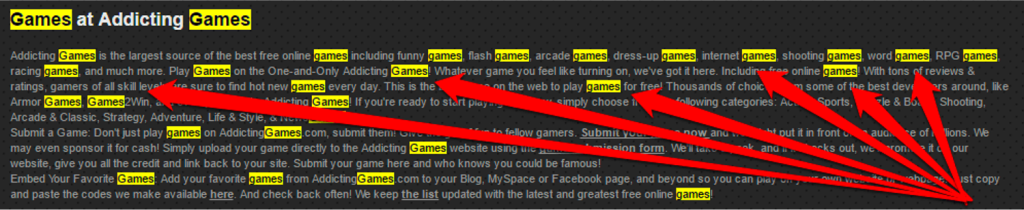
Keyword stuffing means repeating the same keyword unnaturally, such as forcing “Firepits” into every sentence. This creates poor user experience and can lower your rankings. Instead, use natural keyword variations and focus on answering the search intent clearly.
2) Hidden Text / Hidden Links
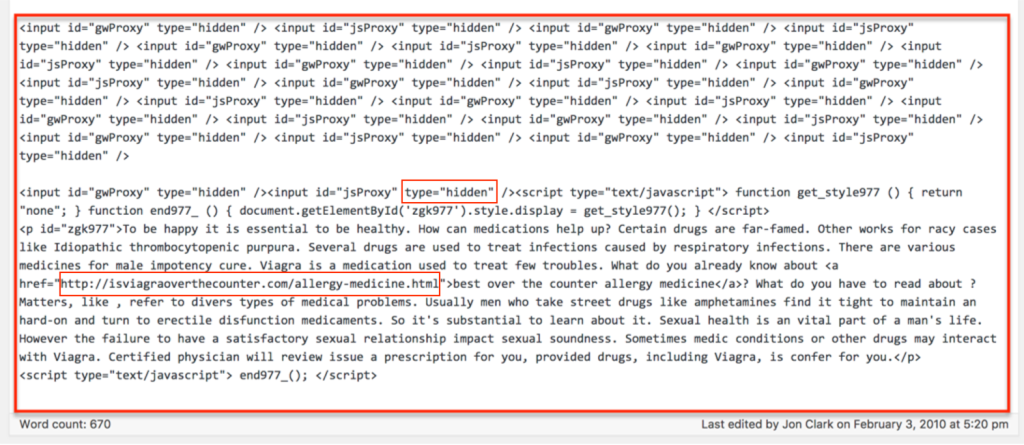
This refers to text that is hidden using the same color as the background or concealed with CSS. Search engines see this as a serious trust issue. A better approach is to place content where real users can actually see and read it.
3) Cloaking
Cloaking happens when a website shows different content to search engines and human visitors. This carries a high risk of penalties. Instead, use legitimate personalization while keeping indexable content consistent for both users and search engines.
4) Doorway Pages
Doorway pages are multiple low quality pages created to target similar keywords and funnel users to one main page. These pages can be filtered or penalized. A safer strategy is to build one strong main page supported by well structured cluster articles.
5) Buying Backlinks
Buying backlinks means paying for links purely to manipulate authority. This can lead to algorithmic suppression or manual penalties. Instead, focus on digital PR, partnerships, real citations, and earning mentions naturally.
6) PBN (Private Blog Network)
A PBN is a group of websites created only to link back to your main site. If detected, it can cause a complete ranking wipeout. A better option is to earn links from relevant industry websites that have real traffic.
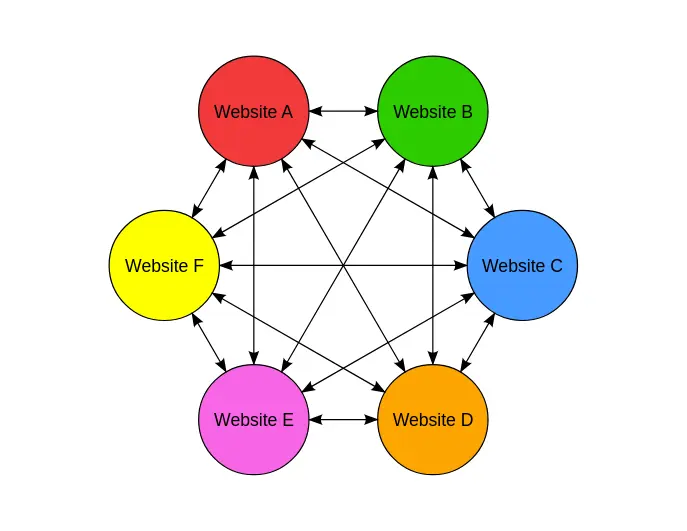
7) Link Farms
Link farms are spammy websites that link to many unrelated sites. These create a toxic backlink profile. Instead, build links based on relevance and quality rather than quantity.
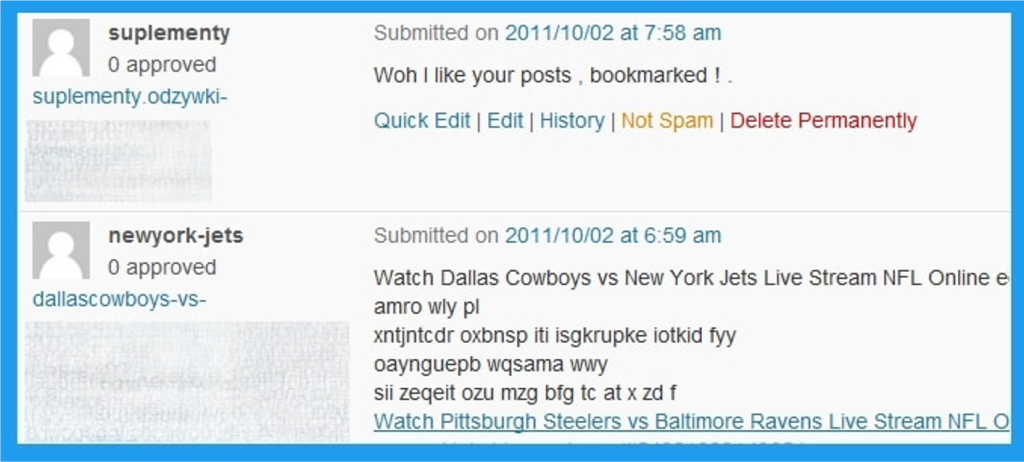
8) Spam Comments / Forum Blasts
This involves dropping links in blog comments or forums at scale. It damages brand reputation and provides no real SEO value. Instead, participate genuinely in discussions and use branded mentions without spamming links.
9) Automated Content at Scale (Low Quality)
This refers to mass producing thin or repetitive content pages. It often results in low trust, poor engagement, and ranking drops. AI assisted content is acceptable only when combined with human editing, original examples, clear structure, and real expertise.
10) Scraped / Copied Content
Scraped content is copied directly from other websites and republished. This can lead to deindexing and legal issues. Always create original content with proper references and local examples.
11) Content Spinning
Content spinning uses tools to rewrite existing content just to make it look new. This creates low value pages. Instead, rewrite content by adding real improvements, insights, and useful updates rather than just changing words.
12) Fake Reviews / Fake Testimonials
Fake reviews are fabricated social proof used to mislead users. This seriously harms business credibility. A better approach is to request genuine reviews on platforms like Google or Facebook and display them transparently.
13) Redirect Tricks
Redirect tricks involve ranking one page and then sending users to a different page. This violates quality guidelines. Instead, align the search intent directly with the correct landing page.
14) Exact Match Anchor Overuse
This happens when too many backlinks use the same exact keyword as anchor text. It creates unnatural link patterns. A healthier approach is to mix branded anchors, URLs, partial matches, and natural phrases.
15) Negative SEO Attacks (Rare But Real)
Negative SEO is when competitors try to harm your site using spam links or similar tactics. While rare, it can be stressful. The solution is to monitor backlinks regularly and maintain strong brand signals.
16) Fake local Pages (Local SEO Spam)
Fake local pages claim offices in locations where the business does not exist, such as listing a Kuala Lumpur office without proof. This can damage local visibility and trust. Instead, use real NAP details, real service area pages, and real business evidence.
17) Parasite SEO Abuse
Parasite SEO abuse involves publishing spammy content on high authority platforms just to rank quickly. This can lead to content removal and reputation damage. A better approach is to publish helpful guest content that delivers real value, not manipulation.
Black Hat vs White Hat vs Grey Hat (Quick Comparison)
| Type | Goal | Risk | Example |
| White hat | long-term growth | low | technical SEO + quality content + real links |
| Grey hat | faster results, borderline | medium | aggressive link outreach, scaled templates |
| Black hat | quick manipulation | high | PBN, cloaking, hidden text, paid links |
If you want stable organic leads for Malaysia, white hat wins every time.
How Google Penalties Work (Manual vs Algorithmic)
Manual Action
- A human reviewer flags your site
- You may see issues in Google Search Console
- Recovery needs cleanup + reconsideration request
Algorithmic Suppression
- Rankings drop after an update or trust re-evaluation
- No “manual action” message
- Recovery still requires cleanup + quality improvements, but time is the big factor
Signs Your Website Might Be Using Black Hat SEO
- Rankings jump fast, then collapse
- You see many weird backlinks from unrelated sites
- Pages are thin but stuffed with repeated keywords
- Multiple similar location pages with no real proof
- Your agency refuses to explain link sources
- Traffic drops suddenly and stays low
Are Black Hat SEO Techniques Right for You?
It depends on your goals.
If you want to build a long term and sustainable business, Black Hat SEO is not a good idea. While these tactics may bring short term results, they often lead to penalties, ranking drops, or removal from search results.
A better approach is to focus on ethical SEO strategies that follow search engine guidelines and support steady growth over time.
If you are unsure where to start or need professional help, you can contact us for SEO services. We help businesses improve search rankings the right way and without risking their website.
Improve Your Website SEO Today!
Frequently Asked Questions
Is black hat SEO illegal?
Usually not “illegal,” but it violates search engine rules and can destroy rankings.
Can black hat SEO work?
Sometimes short-term, but it often collapses and costs more to recover.
Is AI content black hat SEO?
Not automatically. It becomes risky when it’s mass-produced, thin, duplicated, or misleading.
Should I remove all backlinks if I’m scared?
No. Remove only toxic patterns; keep relevant earned links.
Visit our page if you need more details.
Also Read:
- What is SEO and How Does it Work?
- What Is GEO? Generative Engine Optimization Explained (2026)
- WordPress SEO Plugins: The Best Tools to Improve Rankings in 2026
- SEO vs GEO vs AEO: Key Differences Explained (2026)
Stay Connected: Website | Facebook | Instagram | TikTok | Lemon8 | Xiaohongshu
Share This Article: